
Krav Maga vs. Karate for Self-Defense: Which is Better in 2026?

Updated: Jul 4
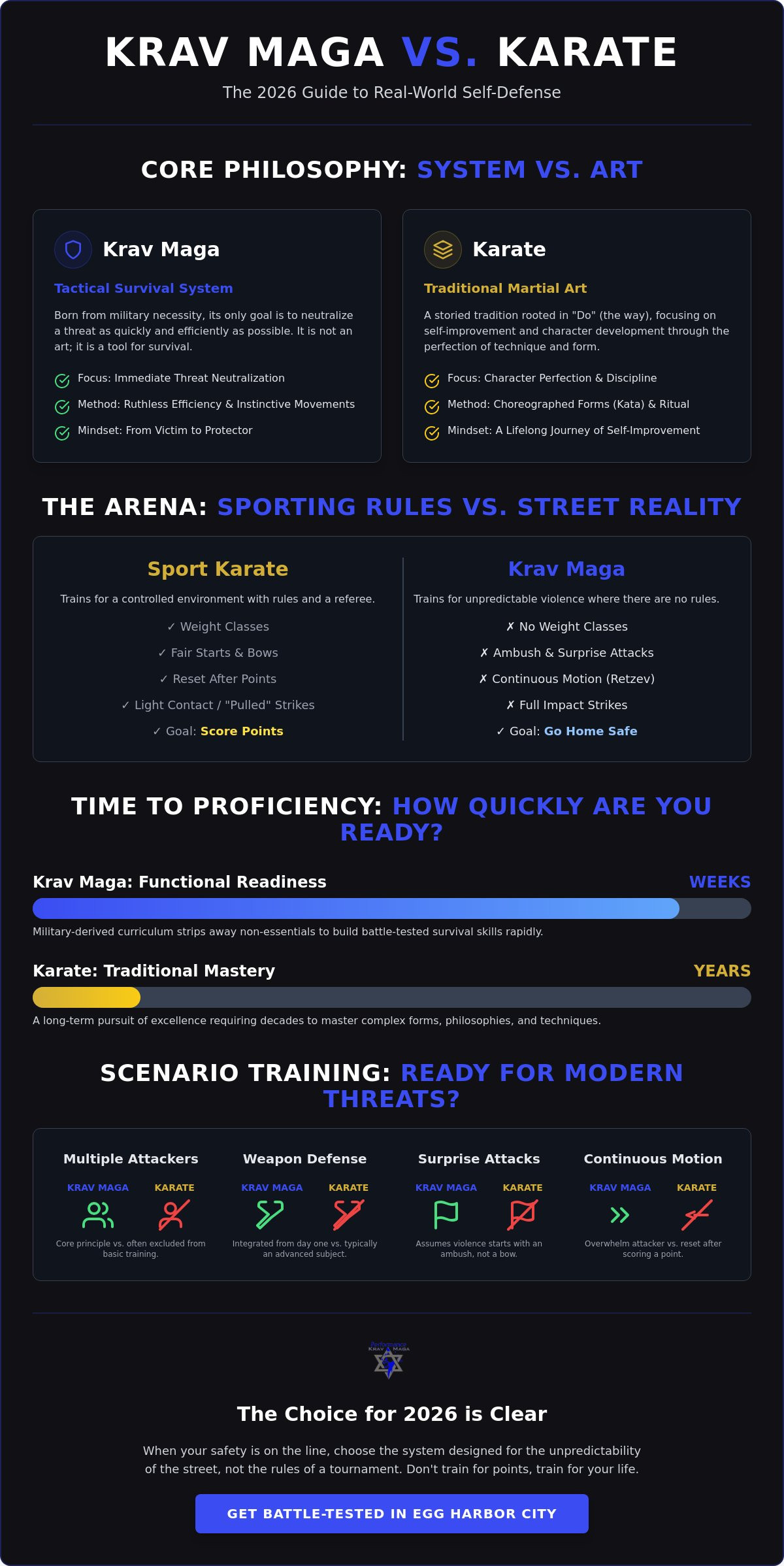
If you find yourself cornered in a dark parking lot tonight, the last thing you want is to realize your training was designed for a trophy rather than your life. When weighing Krav Maga vs Karate for self defense in 2026, the distinction isn't just about the techniques; it's about the core objective. You want to protect your family and feel secure in your own skin, yet the sheer volume of martial arts options can feel overwhelming. It's natural to feel anxious about modern street violence and wonder if traditional forms still hold up in an unpredictable world. You're looking for a system that builds functional fitness while stripping away the unnecessary fluff.
This guide will clarify the critical differences between these two systems so you can choose the path that guarantees your personal safety. We'll examine the 2026 WKF rule changes that have shifted Karate further into the realm of sport and explore why the new Krav Maga 2.0 curriculum is the gold standard for rapid survival skills. By the end, you'll have the confidence to step into an Egg Harbor City training center knowing exactly which discipline will bring you home safe.
Table of Contents
The Core Philosophy: Martial Art Sport vs. Tactical Survival System
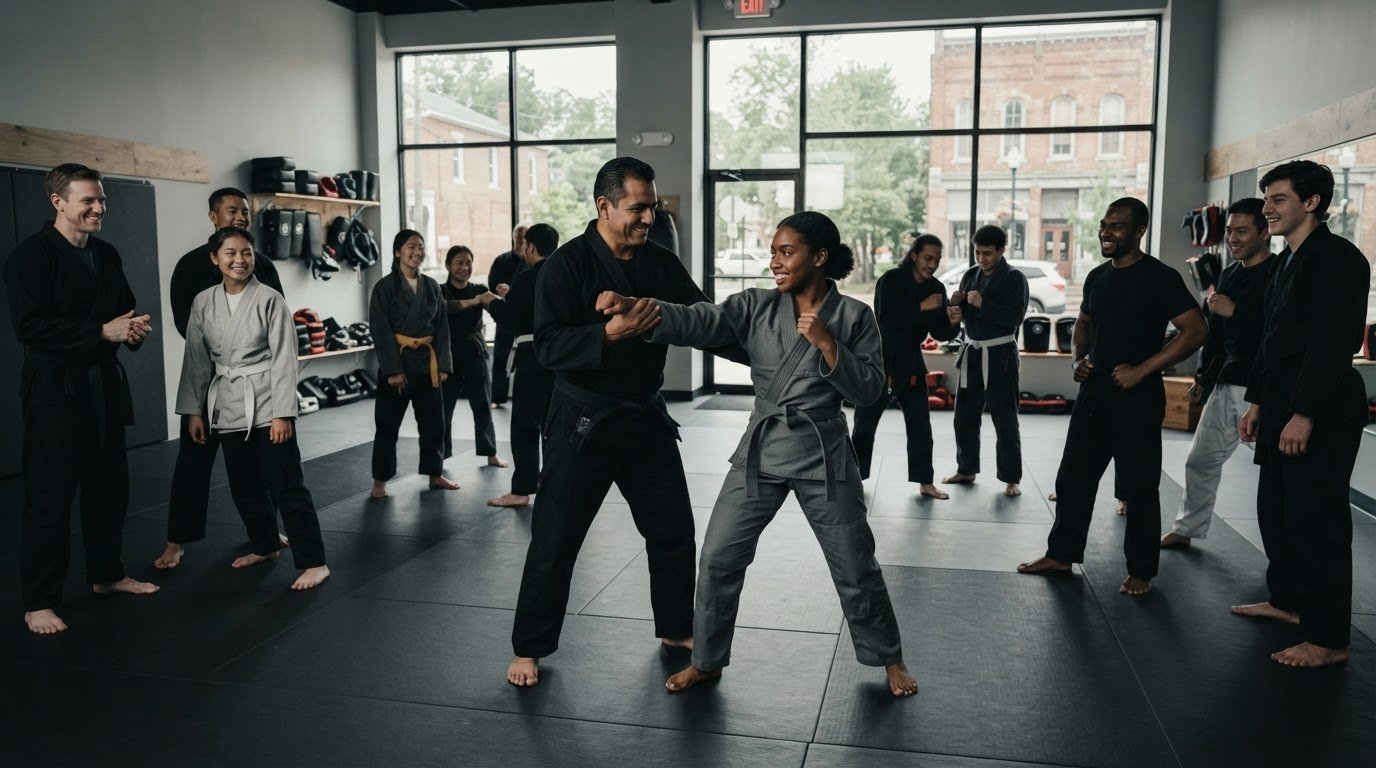
Deciding between Krav Maga vs Karate for self defense requires you to look past the uniforms and into the heart of why these systems exist. Karate is a storied Okinawan tradition deeply rooted in the concept of "Do," or the way. It's a path of self-improvement where the practitioner seeks to perfect their character through the perfection of their technique. When you look at a Martial arts overview, you'll see that Karate's evolution has leaned heavily into the discipline of the mind and the beauty of the form. It's a journey that can take decades to master; it's a pursuit of excellence that rewards patience and ritual.
Krav Maga stands on the opposite end of the spectrum. It's not an art. It's a tactical survival system born in the mid-20th century to turn soldiers into effective fighters in just a few weeks. The term literally translates to "Contact Combat," and its sole purpose is the immediate neutralization of a threat. There are no ceremonies here. There is no traditional "Do." Instead, you find a ruthless focus on efficiency, instinct, and the removal of obstacles. If your objective is tactical self defense, you aren't looking for a dojo to study a way of life; you're looking for a training center to build a survival mindset.
The Evolution of Combat in Egg Harbor City
In local training circles, the shift in how we approach safety has become undeniable. Many traditional schools have transitioned into point-based competition hubs where the goal is to score on an opponent rather than stop an attacker. This "sportification" changes the DNA of the training. Modern threats in 2026 don't follow a syllabus or wait for a referee's whistle. Tactical training moves you from a "victim mindset" to a "protector mindset." It's about being the quiet professional who is ready to act when the world turns chaotic, ensuring you have the tools to protect yourself and your family without needing a tournament bracket to prove your worth.
Sporting Rules vs. Street Reality
The most dangerous habit a person can develop is "pulling" a strike. In many Karate formats, including the 2026 WKF updates, "skin touch" or light contact is the standard for safety. This creates a dangerous muscle memory where you subconsciously stop your momentum before impact. In a real encounter, that hesitation can be fatal. Krav Maga removes these barriers by prioritizing the following realities:
No Weight Classes: You don't get to choose the size of your attacker on the street.
No Fair Starts: Violence usually begins with an ambush, not a bow.
Continuous Motion: While sport Karate resets after a point, Krav Maga teaches you to overwhelm the attacker until the threat is completely eliminated.
The street has no rules. Your training shouldn't either. Krav Maga is designed to work when you're tired, surprised, and outnumbered, making it the definitive choice for those who prioritize survival over sport.
Technical Mechanics: Kata and Kumite vs. Retzev and Instinct
Krav Maga is built upon the body's natural flinch response. When an object flies toward your face, your hands instinctively move to protect your head. We don't try to override that instinct with complex, deep stances or intricate circular blocks. We weaponize it. By refining your natural reactions, the system allows for simultaneous defense and counter-attack. You aren't just blocking a punch; you are striking the attacker at the exact moment they commit to their movement. This efficiency is vital when every second spent in a conflict increases your risk of injury.
The OODA Loop: Winning the Mental Fight
Survival isn't just physical. It's cognitive. The OODA loop stands for Observe, Orient, Decide, and Act. In a high-stress encounter, your brain is flooded with adrenaline, which can cause complex motor skills to fail. Karate's high-level techniques often require a "Decide" phase that is too long for the street. Krav Maga shortens this cycle by utilizing simple, gross motor movements. We train your brain to recognize pre-attack indicators, such as a shift in weight or a hand reaching for a pocket, allowing you to "Act" before the attacker even completes their first strike. If you want to experience this mental shift, you can start training with us to see how quickly your instincts can be sharpened.
Retzev: The Engine of Israeli Self-Defense
Retzev is the "burst" of movement that distinguishes tactical training from point-sparring. In Karate Kumite, athletes often strike and then pull back to a neutral position to reset for the next point. In a real-world attack, resetting is a liability. Retzev teaches you to overwhelm an attacker’s senses, forcing them into a defensive posture and removing their ability to continue the assault. Building the stamina for this level of intensity is a core part of the Krav Maga workout, which focuses on functional conditioning rather than just aesthetic muscle. According to an ACE study on Krav Maga, this type of training provides a high-intensity energy expenditure that prepares the body for the extreme physical demands of a real fight. You aren't just learning moves; you are building the engine required to survive.
Scenario-Based Defense: Weapons and Multiple Attackers
Imagine a scenario where the threat isn't a single opponent bowing across a mat, but two attackers in a dark alley, one of whom is reaching for a blade. This is where the debate over Krav Maga vs Karate for self defense becomes a matter of life and death. Traditional Karate was developed in an era of different social structures; its weapon training often focuses on historical implements like the Bo staff or Nunchaku. While these are excellent for coordination and historical preservation, they don't help you when a modern assailant produces a concealed handgun or a folding knife. In most Karate schools, weapon defense is an elective for advanced belts, not a core requirement for beginners.
Krav Maga was forged in the heat of the Israeli Defense Forces (IDF), where the reality of armed conflict is a daily concern. Because of this, dealing with modern weapon threats is a primary skill taught from the very first level. You aren't learning a sport; you're learning to survive an ambush. The system assumes the attacker is armed, stronger than you, and potentially accompanied by friends. In a real street encounter, there is no such thing as a "fair fight." Karate's focus on one-on-one combat can become a tactical liability when you fail to account for a second attacker flanking your position.
Modern Threat Neutralization in Atlantic County
At Performance Krav Maga, we don't believe in "what-if" scenarios that belong in a history book. Our curriculum focuses on the 2026 reality of personal safety, emphasizing situational awareness to prevent a fight before it ever turns physical. As the KMFA National Headquarters, we provide the gold standard for self defense classes Atlantic County residents rely on. We train you to identify pre-attack cues and use your environment to your advantage, ensuring that if you must engage, you do so with overwhelming efficiency.
The Ethics of Self-Defense
A common objection is the idea that Krav Maga is "too violent" for the average person. This is a misunderstanding of tactical efficiency. Violence is a tool, and like any tool, it must be used with discipline. We teach the "Quiet Professional" mindset: you should be the most capable person in the room, yet the most peaceful. Our training includes heavy emphasis on de-escalation and verbal commands, ensuring you understand the legalities of "reasonable force." The goal isn't to look for trouble; it's to have the confidence and skill to end it instantly so you can get home to your family. You don't need to be an elite athlete to start; you just need the willingness to learn how to protect what matters most.
Preparation and Progress: Which is Faster to Learn?
When you evaluate Krav Maga vs Karate for self defense, the timeline to proficiency is perhaps the most striking difference. Traditional Karate is a marathon. It often takes three to five years of consistent practice to earn a black belt, and even then, that rank represents a mastery of the basics rather than total combat readiness. The curriculum is built on incremental gains in balance, flexibility, and the aesthetic perfection of form. For many, this slow burn is part of the appeal, but if your goal is immediate personal safety, you may find the wait frustrating.
Krav Maga was engineered for speed. Because it was developed to prepare IDF recruits for active duty in a matter of weeks, the system prioritizes "gross motor skills" that are easy to learn and retain under extreme stress. You don't spend months perfecting a single stance. Instead, you spend your first 90 days in Krav Maga classes learning how to neutralize the most common street attacks. This "Beginner’s Mind" approach allows for the rapid tactical activation of your instincts, turning your natural reactions into defensive weapons almost immediately.
The Learning Curve Comparison
Karate demands a long-term commitment to the mastery of form and precision. It's a beautiful discipline, but it requires years to bridge the gap between the dojo and a real-world encounter. Krav Maga focuses on the mastery of survival, aggression, and efficiency in a condensed timeframe. Busy professionals in Egg Harbor City often prefer this directness. They don't have a decade to spare; they need to know that if they are targeted tomorrow, they have a functional plan to get home safely.
Gear and Mindset for the Tactical Athlete
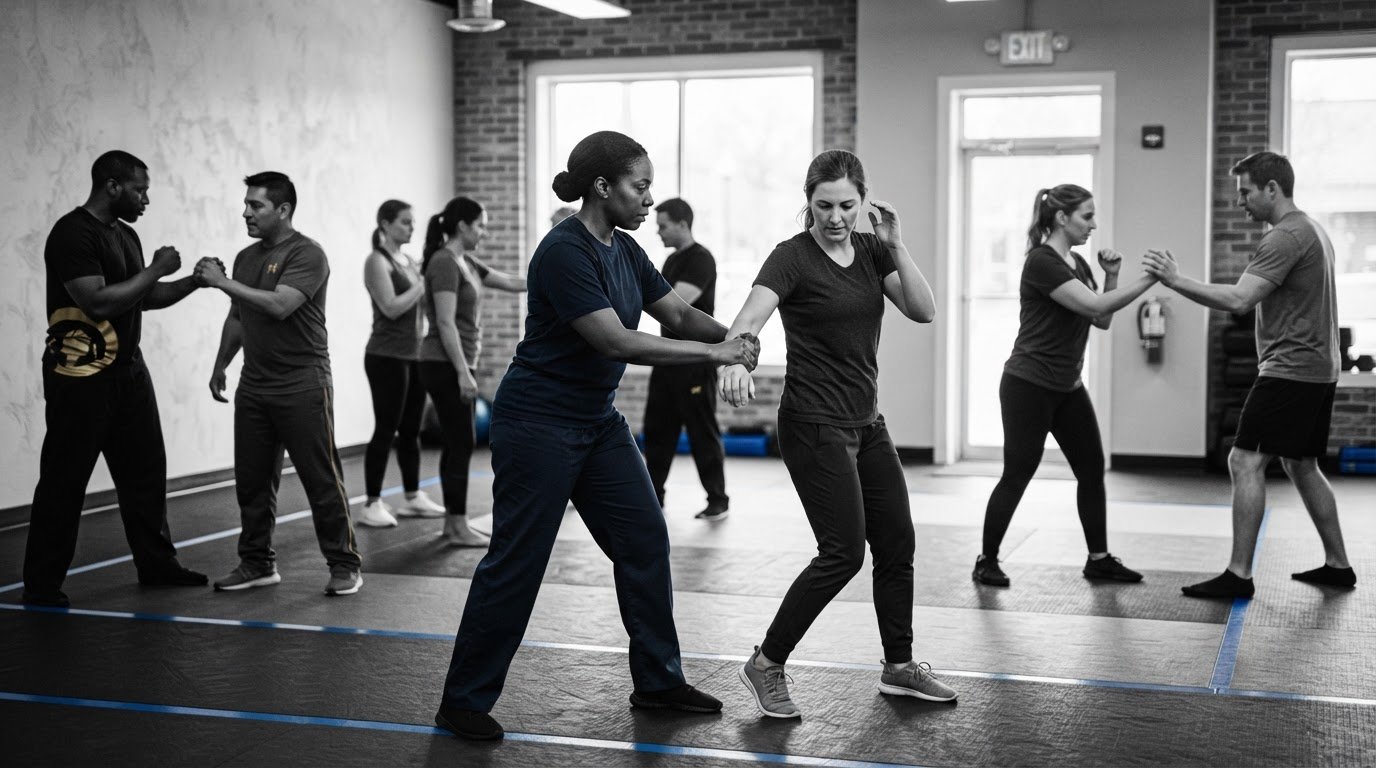
The warrior mindset is the ability to stay calm and analytical while under intense physical or emotional pressure. We don't train in traditional Gi or belts because you won't be wearing them when a real threat emerges. Instead, we train in regular athletic gear to simulate the range of motion you'll actually have in daily life. This preparation for high-intensity tactical drills ensures that your body and mind are synced for the reality of 2026. If you're ready to stop practicing for a trophy and start training for life, register for your first session today and experience the difference of a tactical system.
Choosing Your Path: Why Performance Krav Maga is the Choice for 2026
The decision between Krav Maga vs Karate for self defense ultimately comes down to your priorities. If you seek a traditional art with deep cultural roots and a focus on competitive sport, Karate offers a structured, long-term path. However, if your goal is to walk through Egg Harbor City with the absolute certainty that you can protect yourself and your family, the tactical efficiency of Krav Maga is unmatched. We don't train for the "way" of the warrior; we train for the reality of the survivor. In 2026, where threats are unpredictable and modern, you need a system that evolves as fast as the world around you.
Performance Krav Maga serves as the bridge between elite Israeli combat lineage and the practical safety needs of our local community. Our programs are designed to strip away the "victim mindset" and replace it with a disciplined, proactive approach to personal security. This is especially evident in our specialized women’s self defense Egg Harbor City initiatives, which empower participants to recognize, avoid, and, if necessary, neutralize threats with overwhelming confidence. We've built an environment where the "quiet professional" vibe thrives, allowing you to develop formidable skills without the ego often found in traditional dojos.
The KMFA Difference: Lineage and Authority
Training at the KMFA National Headquarters offers an advantage you won't find in a standard martial arts school. You are learning under Chief Instructor Greg Dziewonski, a 5th-degree black belt whose certification comes directly from the Wingate Institute in Israel. This pedigree ensures that every technique you practice is authentic, battle-tested, and aligned with the highest international standards. Our facility serves as the benchmark for Krav Maga in the United States, providing a family-like atmosphere where elite instruction is accessible to everyone from beginners to seasoned practitioners. We prioritize your individual journey, ensuring that your transition from vulnerability to strength is supported by the best in the field.
Take the First Step Toward Being Unstoppable
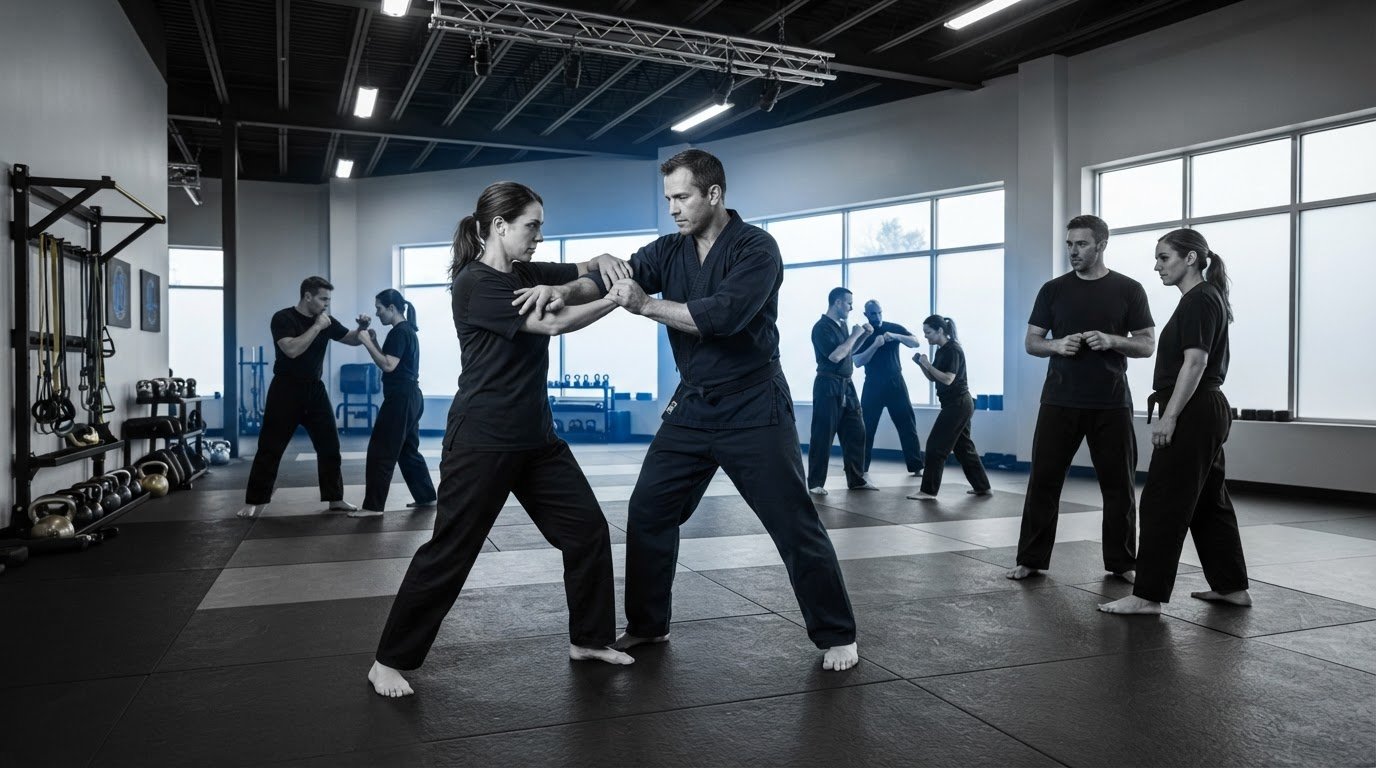
The best way to understand the tactical difference is to experience it on the mat. We invite you to join a community of like-minded individuals who are ruthlessly focused on functional fitness and survival skills. You'll see firsthand how our drills simulate high-stress scenarios to build the muscle memory required for real-world safety. Don't leave your protection to chance or wait years for a belt to prove your worth. Take control of your personal security today by joining the ranks of those who are prepared for anything. Book Your Krav Maga Trial Class at the KMFA Headquarters and start your transformation into a more capable, confident version of yourself.
Master Your Readiness: Secure Your Future Today
Choosing between Krav Maga vs Karate for self defense is ultimately about deciding what you value most: the tradition of a competitive sport or the tactical efficiency of a survival system. Karate offers a disciplined path of character development, but Krav Maga provides the immediate tools required to neutralize modern threats. You don't have to wait years to feel capable of protecting your family. By focusing on instinctive movements and aggressive continuity, you can bridge the gap from vulnerability to formidable strength in a fraction of the time.
At the KMFA National Headquarters, you train under the direct authority of a 5th-Degree Black Belt Chief Instructor with a Wingate Institute certified lineage. This isn't just a gym; it's a center for elite readiness where we strip away the ego to focus on what actually works. It's time to stop wondering if you're prepared and start knowing you are.
The world isn't waiting for you to get ready. Take the first step toward becoming unstoppable and join a community that prioritizes your safety above all else.
Frequently Asked Questions
Is Krav Maga better than Karate for a street fight?
Krav Maga is generally more effective in a street fight because it lacks the restrictive rules and point-scoring mindset found in modern Karate. While comparing Krav Maga vs Karate for self defense, remember that the street has no referees or weight classes. Krav Maga prioritizes ending a threat instantly using any means necessary, including targeting vulnerable areas that are strictly forbidden in traditional sporting matches.
Can I learn Krav Maga if I have no martial arts experience?
You don't need any prior martial arts experience to start your training. The system is specifically designed to work with your body's natural flinch responses rather than fighting against them. Beginners often progress quickly because they don't have to unlearn the rigid, stylized movements of traditional sports. We meet you exactly where you are and build your confidence from the very first session.
Is Karate more suitable for children than Krav Maga?
Both systems offer benefits for children, but they focus on different outcomes. Karate provides a structured environment for sport and competition. Krav Maga for kids focuses on anti-bullying, situational awareness, and practical safety skills. If you want your child to learn how to identify dangerous strangers and escape physical grabs, a tactical system is the more direct path to personal safety.
How long does it take to become proficient in Krav Maga for self-defense?
Most students achieve a functional level of proficiency within their first three to six months of consistent training. Unlike traditional arts that require years of study to become effective, Krav Maga focuses on a condensed curriculum of high-probability scenarios. You'll learn to defend against common chokes, grabs, and strikes early in your journey, allowing you to feel safer in your daily life much sooner.
Do I need to be in great shape to start Krav Maga classes in Egg Harbor City?
You do not need to be an elite athlete to begin training at our facility. Our instructors are experts at scaling intensity to match your current fitness level while pushing you toward your peak. You'll build functional strength and cardiovascular endurance as a byproduct of learning survival skills. The goal is to make you more capable, not just more muscular.
Are there weight classes or belts in Krav Maga like in Karate?
Krav Maga utilizes a level-based system rather than the traditional belt rankings seen in Karate, and we never use weight classes. Real attackers don't care how much you weigh. We train you to overcome larger, stronger opponents by using leverage, speed, and aggressive continuity. While we track progress through levels to ensure technical mastery, the focus remains on your ability to survive an encounter.
What makes Performance Krav Maga different from a regular MMA gym?
Performance Krav Maga focuses on survival in environments where there are no rules, no mats, and potentially multiple attackers. MMA gyms prepare athletes for a one-on-one cage match with a referee to stop the fight. When evaluating Krav Maga vs Karate for self defense or MMA, our facility prioritizes weapon defense and situational awareness. We are the KMFA National Headquarters, not a sports club.
Is Krav Maga safe for women looking for self-protection?
Krav Maga is one of the most empowering systems for women because it focuses on neutralizing size and strength advantages. We teach you to use your body's strongest points against an attacker's most vulnerable targets. The training environment is supportive and disciplined, ensuring you can practice high-intensity techniques safely while building the mindset needed to stay calm under pressure.
Comments