
How to Use Everyday Objects for Self-Defense, Safely and Effectively

What if the most useful object in a tense moment isn’t a weapon, but something that helps you get away? It’s natural to wonder how to use everyday objects for self defense when no dedicated safety tool is available. But grabbing whatever is nearby can escalate a confrontation, and dramatic advice often overlooks the safest next move.
The priority is not to win a fight. It’s to create space, protect your exit, and make a clear decision under pressure. This article explains how to assess ordinary objects as temporary barriers, recognize when disengaging is safer, and keep your choices grounded in the situation rather than a movie-style scenario. Self-defense laws vary by location, so local rules matter too.
Practical judgment gets stronger with practice. Supervised self-defense training can help you work on awareness, decision-making, and safe disengagement in a controlled setting. At Performance Krav Maga in Egg Harbor City, classes are designed for people at different experience levels. Beginners and experienced students can build practical skills without treating everyday objects as a substitute for sound judgment.
Table of Contents
How Everyday Objects Fit Into a Self-Defense Plan
An everyday object is useful only if it supports a safer decision. A bag, umbrella, chair, or phone may help you maintain separation, put an obstacle between you and a threat, attract attention, or call for help. None guarantees safety, and reaching for one can cost time or restrict your movement. The practical question isn’t “What can I use as a weapon?” It’s “What can help me leave or get help without moving closer to danger?”
Accounts of the improvised weapon often focus on objects used as weapons. For personal safety, keep a different priority in mind: notice danger, create distance, leave when you can, and seek help. An object may support that sequence, but it shouldn’t become the goal or draw you into a confrontation.
What counts as an everyday object in a safety plan?
Think in terms of function, not force. A chair or closed door may serve as a physical barrier if it’s already between you and a threat. A bag or umbrella may help you maintain separation while moving toward an exit. A phone has a different role: it can help you contact someone or draw attention when it’s safe to do so.
Familiarity and access matter more than finding a supposedly perfect object. If you’d have to turn away, search through a bag, or step closer to a threat to retrieve something, it may not help. Consider what’s already within reach, whether it leaves your hands and movement free, and whether using it supports a clear route out.
Why escape comes before using an object
Leaving early can reduce your exposure to danger and help prevent a tense moment from becoming a physical confrontation. A barrier may create temporary separation, but don’t treat it as a reason to stay, argue, or approach someone. Your surroundings matter: a chair may be useful if it’s already nearby, but it could be a poor choice if it blocks your only exit. Base your decision on the immediate threat and the routes available.
If someone faces immediate danger, calling 911 is appropriate when they can do so safely. If speaking or handling a phone would distract you or increase risk, prioritize moving toward safety when possible. Keep the decision simple:
Notice changes in the situation and identify where the threat is.
Create distance without approaching or reaching toward the person.
Leave if a safe route is available.
Use an object only if it helps you move, maintain temporary separation, or communicate without trapping you.
Seek help once you’re in a safer position.
That’s the practical foundation for how to use everyday objects for self defense: treat them as optional support, not a plan by themselves. An improvised object cannot replace awareness, escape, or training. The safest choice may be to leave it where it is and keep moving.
Choose Objects by Function: Barriers, Distance, and Communication
Choose an object by what it might help you do, not by how it could be used against someone. Its value depends on the immediate threat, the space around you, and whether a clear exit remains available. A bulky object may offer a temporary obstacle, but it can also slow you down or block your route. Keep the objective simple: preserve room to move, communicate if safe, and leave.
A barrier object is something that may help preserve space while you move toward an exit. It isn’t a shield or a reason to stay and confront someone. The same item can be useful in one setting and impractical in another, so use this comparison to think through options, not as a fixed formula.
Objects that may help create a temporary barrier
A chair, bag, umbrella, or similar item may act as an obstacle if it’s already nearby and you can use it without stepping closer to danger. Size matters: a chair might add separation in an open room, while a bulky bag could catch on furniture or occupy a hand you need for movement. A barrier should support a route out, never trap you between the object and the threat.
Objects that support attention and communication
A phone is most useful for communication, not confrontation. If someone faces immediate danger and can safely use a phone, calling 911 is appropriate. Contacting someone trusted may also help once it’s safe. A flashlight can improve visibility in a dim area or help draw attention, but don’t pause to search for one if leaving is possible. Clear communication and movement toward safety matter more than holding an object.
That’s the practical lens for how to use everyday objects for self defense: assess whether an item helps you move, communicate, or maintain temporary separation without adding risk. Supervised practice can help you build judgment without treating objects as guaranteed protection. In Egg Harbor City, guided self-defense classes offer a way to develop practical decision-making.
When Using an Object Can Increase Risk
Holding something can feel reassuring, but it doesn’t automatically make you safer or more capable. An object may distract you from someone’s movements, occupy a hand, or create false confidence that encourages you to stay when leaving would be safer. The goal isn’t to prove you can manage a confrontation. It’s to make choices that preserve space and keep a route out open.
Think of the object as an option, not an obligation. Reassess as the situation changes. If retrieving or holding it delays your departure, draws attention, or makes movement harder, let it go if you can do so safely and focus on leaving.
Warning signs that an object is not helping
Watch for practical costs. Turning away to search for a bag, reaching across a room, or looking down at a phone can take attention away from what’s happening. A chair or bulky item may block a doorway; carrying something in both hands may make it harder to move freely. If you’re cornered, an object that occupies your attention without opening a route out may add little protection.
Use a quick test: does this item help me move toward a safer place, or is it slowing me down? If it obstructs your path, leave it behind rather than trying to keep it. Don’t approach someone or move deeper into an unsafe area to retrieve a supposedly useful object.
Avoiding false confidence and escalation
An improvised item can’t guarantee protection or predict how another person will respond. Displaying or using an object may intensify a situation, and threats, pursuit, or attempts to punish someone after a chance to leave can prolong danger. If you can disengage, do so. Once safe, seek emergency help when needed, and get medical attention if anyone is injured.
There can be advantages and drawbacks, depending on the circumstances:
Potential benefit: An object already nearby may help maintain separation or support a move toward an exit.
Potential risk: Reaching for it, carrying it, or focusing on it may distract you or restrict movement.
Safer check: Keep reassessing whether it supports leaving. If not, prioritize the route out.
Legal rules about self-defense differ by location, and the facts of an incident matter. Don’t assume that using an ordinary object is automatically lawful or justified. New Jersey readers can consult the state’s official statutes database for current law. For advice about a specific situation, speak with a qualified legal professional.
That judgment is central to how to use everyday objects for self defense safely: don’t let an object replace clear decisions. Supervised self-defense training can help you practice awareness, movement, and disengagement without promising a particular outcome.
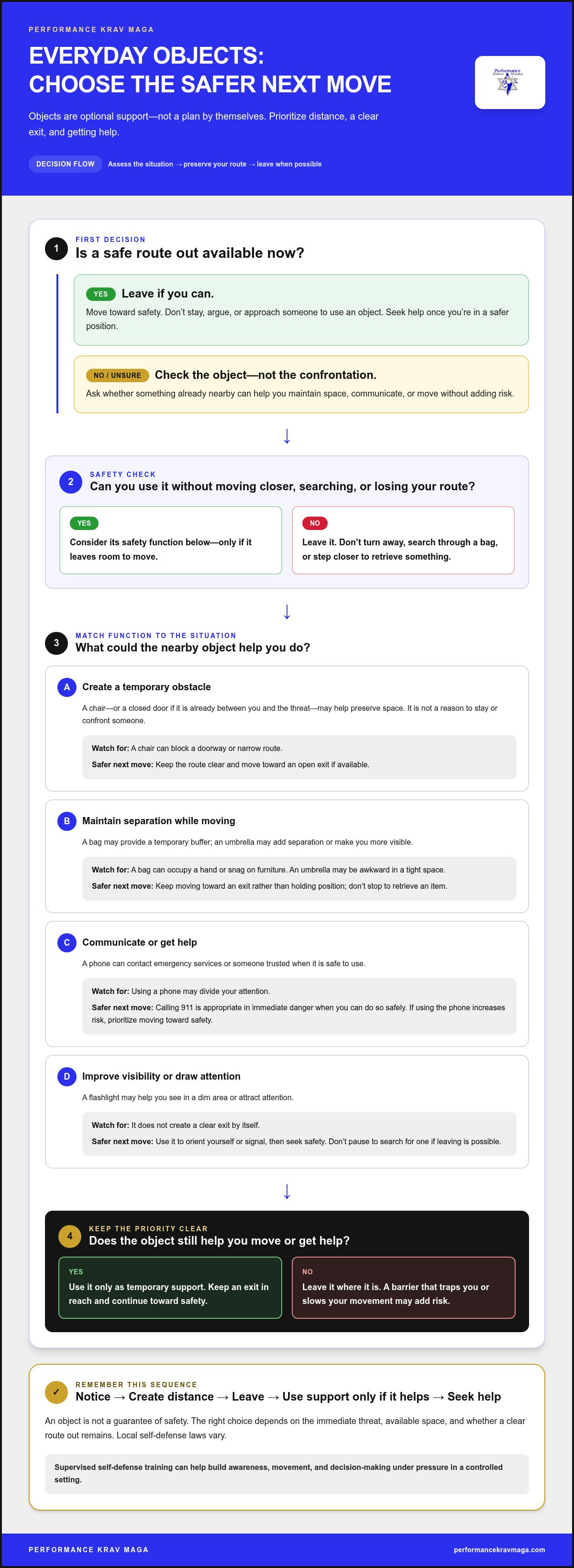
A Safer Step-by-Step Way to Assess Your Surroundings
A simple sequence can reduce hesitation without making you scan every person or object as a threat. Notice what’s changed, find a safe exit, and consider nearby objects only after you’ve thought about whether you can leave. The aim is calm, practical awareness, not panic or confrontation.
Use a quick notice-exit-act sequence
Start by noticing what’s happening around you, then identify the clearest safe way out. If a route is open, prioritize leaving rather than searching for an object. If you can’t leave immediately, consider whether a barrier already nearby could preserve space without blocking your movement. Don’t approach danger or move away from an exit to retrieve something.
Notice. Pay attention to a change in the situation, such as someone moving closer or a route becoming obstructed. Stay aware without fixating on one person or losing sight of your surroundings.
Locate exits. Identify a route that takes you away from the concern. If one exit seems unsafe or blocked, consider another route only if it’s accessible without moving closer to danger.
Assess distance. Notice whether there’s room to move away and whether anything is closing that space. Don’t pause to measure or try to predict what someone will do.
Consider a barrier. If leaving isn’t immediately possible, an object already between you and the threat may help maintain separation, provided it doesn’t trap or slow you.
Leave when you can. Move toward a safer location or other people if that route is available. Don’t stay to retrieve belongings or use an object once it’s no longer helping you move.
Seek help. Once you’re safer, contact emergency services or someone you trust as appropriate. If calling is unsafe while you’re moving, wait until you can do so safely.
This notice-exit-act approach keeps the decision grounded in what’s actually available. For a broader look at readiness beyond equipment, tactical self-defense and personal readiness also considers awareness and preparation as part of a practical safety mindset.
Prepare without carrying a weapon
Preparation can be part of an ordinary routine. Keep a charged phone accessible, and know how to reach emergency services. As you enter places you visit, take a moment to notice exits and areas where other people are present. This isn’t about expecting trouble. It’s about reducing the time you need to decide if circumstances change.
During errands or a commute around Egg Harbor City, note the way back to a public area or the nearest usable exit without changing your route or searching for objects. At home or work, notice whether a doorway is clear and which direction gives you more room to leave. Avoid building a plan around a particular item, since it may not be nearby or practical when you need it.
Learning and practicing these choices in a guided setting can make them more familiar. Supervised instruction supports awareness, movement, and decision-making. For people near Egg Harbor City, self-defense training provides a way to practice those skills with guidance.
Build Better Judgment Through Supervised Self-Defense Training
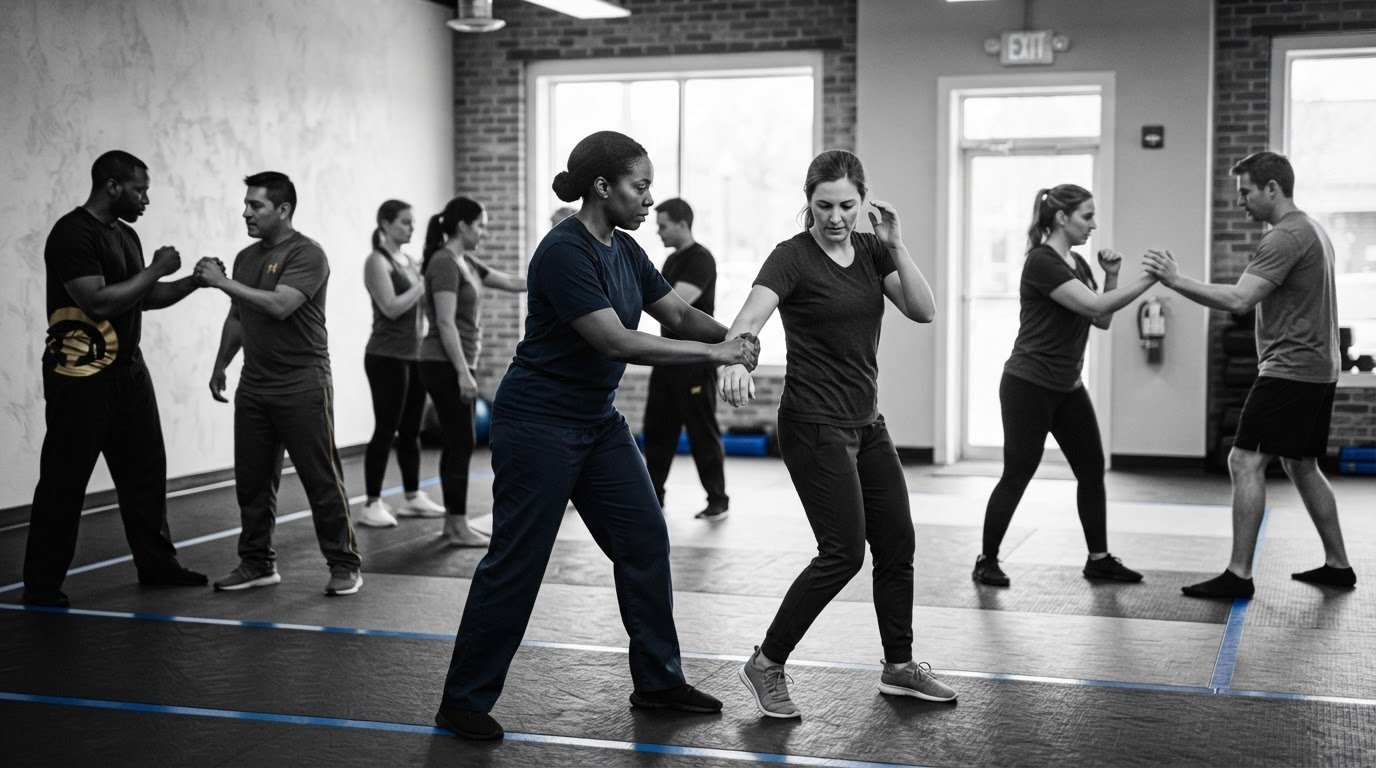
Knowing that an object is nearby is only one small part of making a safe decision. In a tense moment, you may need to notice an exit, keep your balance, move around obstacles, and decide whether leaving is possible. Supervised self-defense practice gives you a setting to work on those choices with guidance. It can build awareness, movement, and composure, but it can’t guarantee what will happen in a real encounter.
What beginners can gain from guided practice
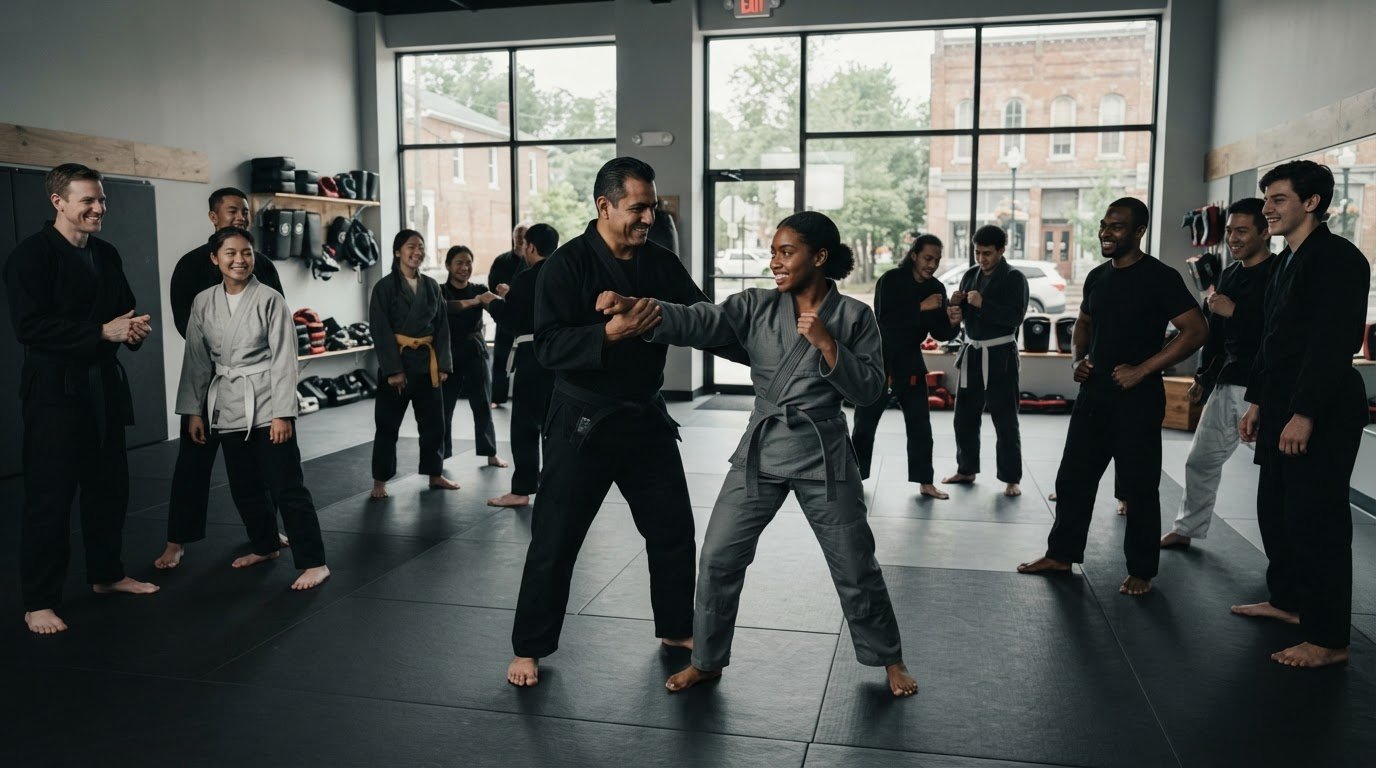
Beginners don’t need to treat a bag, chair, or phone as a magic solution. Guided instruction can help you think through when an object is simply in the way, when it might support movement, and when focusing on it could distract from an exit. The learning goals are practical: notice what’s happening, move with purpose, and disengage when it’s safer. Performance Krav Maga classes are designed for people at different experience levels.
Practice also gives you a chance to examine decisions without the pressure of a real emergency. For example, you can consider what you’d do if a doorway were blocked, an object occupied your hands, or another route offered more space. The point isn’t to rehearse dramatic scenarios or promise a particular result. It’s to develop a steadier decision-making process and understand that leaving safely can be the most effective choice.
Awareness: Notice routes, obstacles, and changes in your surroundings.
Movement: Practice staying mobile and orienting toward a safe way out.
Composure: Work on making a decision without assuming an object will solve the problem.
Turn awareness into a practical next step
Before choosing a class, consider what you want to practice: recognizing an exit, moving around obstacles, or making a calm decision under pressure. That gives you a clear starting point. Krav Maga classes in Egg Harbor City connect practical self-defense with supervised learning.
At Performance Krav Maga, instruction is led by Chief Instructor Greg Dziewonski, and the school serves as the Krav Maga Federation’s national headquarters. The focus is on helping students build practical skills at their own experience level. If you’re considering how to use everyday objects for self defense, supervised practice can help you examine the decisions around an object, not just the object itself.
Take a first step at your own pace. Explore Performance Krav Maga training to learn about guided self-defense practice and build awareness, movement, and confidence.
Make Your Next Step a Practiced One
Confidence isn’t about having the perfect object within reach. It comes from knowing you can pause, recognize your options, and choose a safer direction without letting a prop dictate your response. A useful next step is to identify one decision you’d like to handle more calmly, such as noticing an exit or staying mobile when a route feels uncertain.
That’s the practical heart of how to use everyday objects for self defense: stay focused on your choices, not on turning ordinary belongings into a plan. Supervised practice can help you build awareness and composure while working on movement and disengagement skills. It’s a constructive way to turn a question into preparation at a pace suited to your experience.
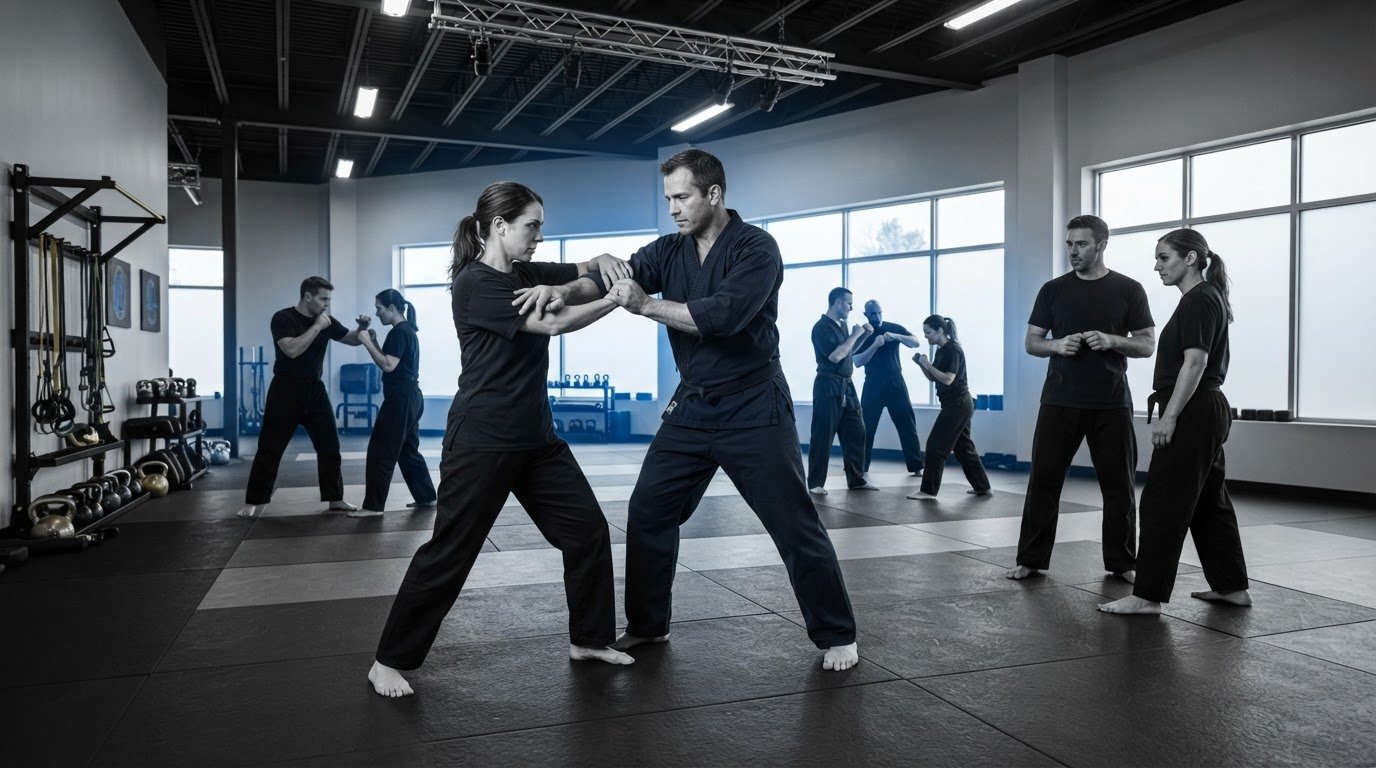
Performance Krav Maga’s classes in Egg Harbor City are designed for people at different experience levels and led by Chief Instructor Greg Dziewonski. The school also serves as the Krav Maga Federation national headquarters. If you’re ready to explore guided training, see how Performance Krav Maga training can support your next step. Start with curiosity, build practical skills, and keep your focus on getting to safety.
Frequently Asked Questions
Can everyday objects really help with self-defense?
Yes, an ordinary item may help you communicate, stay oriented, or put space between you and a threat, but it can’t guarantee protection. For example, a phone may help you call for assistance if it’s safe to use, while a nearby door may offer separation as you move away. The point of how to use everyday objects for self defense is safer decision-making, not relying on an object to control what happens.
Is carrying keys between your fingers a safe self-defense technique?
No, holding keys between your fingers isn’t a dependable safety plan. Keys can slip, cut or injure your own hand, and make it harder to use them for their ordinary purpose or move freely. Rather than gripping them as a weapon, keep them accessible for entering a safe location if appropriate. If you feel uneasy, focus on getting to a safer place and contacting someone you trust when it’s safe.
Is it legal to use an everyday object for self-defense in New Jersey?
There isn’t a simple answer that applies to every situation. How an object is used, the circumstances, and the level of force involved can all matter, and laws may be interpreted based on specific facts. Don’t assume an ordinary household item makes any use of force lawful. For current guidance, consult official New Jersey legal resources or a qualified New Jersey attorney about your circumstances.
What should I do if I do not have an object nearby?
You don’t need an object to make a safer choice. If you can, move toward a staffed business, security desk, or group of people, and avoid going somewhere isolated. If a route out isn’t clear, look for a chance to attract attention or call 911 if you can do so safely. Once you’re away from immediate danger, contact someone you trust and explain where you are.
Can a bag or backpack help create distance?
Possibly, if it’s already with you and using it doesn’t slow your movement or block your route. A backpack worn on both shoulders may be awkward to remove quickly, while a bag in your hand can occupy a hand or catch on nearby furniture. Don’t stop to retrieve one. If carrying it interferes with getting to safety, leave it behind if you can do so safely.
Should children be taught to use household objects for self-defense?
Children are better served by age-appropriate safety guidance than by being told to use household items as weapons. Practice simple choices with them, such as moving toward a trusted adult, leaving a concerning situation, and saying clearly that they need help. Make sure they know how to reach a caregiver or emergency services when appropriate. Keep lessons calm and reassuring, and avoid making a child responsible for confronting a threat.
Can self-defense classes teach me how to make safer decisions under pressure?
Yes, supervised self-defense classes can give you a setting to practice awareness, movement, and decision-making without treating an object as a guaranteed solution. Consider what you want to work on, such as recognizing an exit or staying composed when plans change. Performance Krav Maga offers self-defense instruction in Egg Harbor City. Training can support practical confidence, but it can’t promise a particular outcome in a real emergency.
Comments